
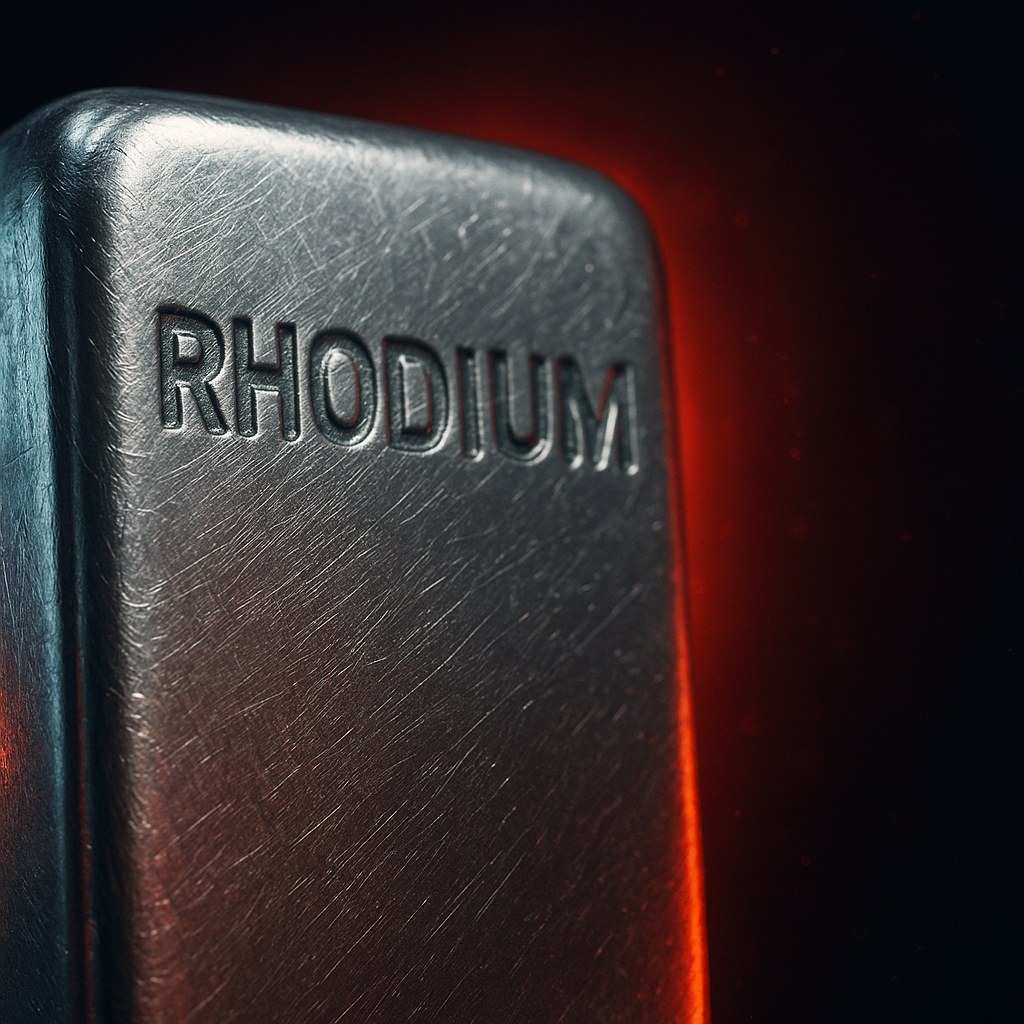
Rhodium has become a poster child for market drama: a tiny, silvery metal that routinely makes headlines when its price spikes. Enter the phrase “rhodium rally exhaust explosion” — a query that turns up viral videos, alarmed headlines and confused searches. The result is a collision of two separate stories: a volatile precious‑metal market and occasional mechanical incidents in car exhausts. This article separates the threads, explains why the phrase is often a query mismatch or mistranslation, and shows what the rhodium rally actually means for drivers, recyclers and investors.
Short thesis: the rhodium price rally is a financial and industrial phenomenon tied to emissions rules, limited supply and recycling flows; most “exhaust explosion” content online is either mislabelled footage of backfires or theft-related damage, not a literal material detonation. Understanding the metal’s role in catalytic converters clarifies why its price matters to motorists and markets alike.
What is Rhodium and Why is it Valuable?
Rhodium is one of the platinum‑group metals (PGMs): rare, hard, and highly corrosion‑resistant. Its industrial value comes from a handful of technical properties: exceptional catalytic activity, resistance to fouling, and stability at high temperatures. Those characteristics make rhodium indispensable in applications that require converting harmful gases into less hazardous ones — most notably in automotive catalytic converters.
Rhodium’s supply profile amplifies price moves. Mine output is concentrated in a few regions and a limited number of producers; secondary supply comes from recycling of autocatalysts and industrial scrap. Because the market is relatively small and thinly traded compared with gold or silver, modest shifts in auto production, emissions legislation, or recycling rates can cause large price swings. That volatility attracts traders and makes the metal a recurring media story during spikes.
Rhodium in Catalytic Converters: Reducing NOx Emissions
Rhodium is primarily used in catalytic converters to reduce nitrogen oxides (NOx) — the pollutants responsible for smog and respiratory irritation — to nitrogen and oxygen. In three‑way catalysts (gasoline engines) and other autocatalyst configurations, rhodium serves the reduction half of the chemistry, working alongside platinum and palladium which typically handle oxidation reactions.
Why this matters for demand: regulators in major vehicle markets have tightened NOx limits and inspection regimes, which encourages vehicle manufacturers to increase the loading or efficiency of rhodium in exhaust systems. At the same time, rhodium’s effectiveness at high temperatures and its resilience to certain fuel‑mix conditions make it a preferred choice where strict NOx control is required. For a technical primer on how converters are built and tested, see our explainer on catalytic converters.
The Rhodium Price Rally: Causes and Record Highs (2021–2026)
Rhodium’s price behaviour since 2021 has been driven by a handful of recurring themes: supply concentration, stronger emissions enforcement, autocatalyst recycling dynamics, and speculative positioning in a low‑liquidity market. Rather than listing point prices, the sensible way to read this period is as a sequence of supply‑and‑demand shocks and policy drivers.
- Early rally and pandemic rebound (2021): The initial post‑pandemic recovery in vehicle production increased demand for autocatalysts while mine and recycling supply lagged, producing upward pressure on prices.
- Volatility and spikes (2022–2023): Tightness in physical markets, stronger enforcement of emissions rules in several jurisdictions, and episodic supply concerns led to dramatic price spikes and heightened media attention.
- Market adjustments (2024–2025): Increased recycling and some substitution efforts moderated extremes, but periodic shortages in specific vehicle segments and persistent regulatory tightening kept the metal at historically elevated levels.
- Current state (this year): In 2026 the market remains volatile and sensitive to policy announcements, auto production trends and recycling rates. The small size of the market means investor flows and futures/options positioning can exaggerate short‑term moves.
Key drivers across these years include stricter NOx standards in major markets, the pace of electric vehicle adoption (which reduces light‑vehicle demand for rhodium), and the balance between primary mining output and secondary supply from recycling. Because rhodium trades in relatively shallow markets, recycling of catalytic converters plays an outsized role in smoothing or exacerbating price moves.
The Practical Impact of Rhodium’s Price Fluctuations on Car Owners
For drivers and fleet managers, rhodium’s rally is not an abstract story: it touches repair bills, insurance premiums and criminal behaviour. Three practical consequences stand out.
- Catalytic converter theft: High rhodium prices increase the incentive for criminals to steal converters and sell them to recyclers. Stolen parts are valuable because they contain concentrated quantities of PGMs.
- Replacement availability and costs: When rhodium is expensive, OEM replacement parts and enforced repairs become more costly and availability can be constrained as suppliers prioritise certain channels. Aftermarket options may appear cheaper but can fail emissions tests or offer lower PGM loadings.
- Emissions compliance and fleet management: For commercial fleets, tighter NOx rules mean converters must meet stricter standards; volatile rhodium pricing complicates budgeting, compliance planning and decisions about retrofit versus replacement.
Owners should be aware of the increased administrative and time cost of dealing with theft, including police reports, insurance paperwork and longer workshop lead times when parts supply is tight.
Rhodium Metal Markets vs. ‘Exhaust Explosion’ – Clearing the Confusion
The phrase “rhodium rally exhaust explosion” is often a search‑engine artefact: two distinct stories — a financial rally in rhodium and videos of car exhaust incidents — get conflated. There are three common origins for the confusion:
- Viral footage of backfires or muffler damage that non‑specialist viewers label as an “explosion” and then tag with the word rhodium because converters are mentioned in the same conversation.
- Headlines about rhodium price “exploding” that are paired with images of cars or exhausts, creating an implicit but incorrect causal link.
- Translation or query‑mismatch errors in search engines where users combine “rhodium rally” (price rise) and “exhaust explosion” (mechanical event).
In short: financial market dynamics in rhodium do not cause literal explosions in car exhausts. Mechanical backfires, failed welds, overheated catalytic substrates or deliberate damage from theft can produce dramatic visual effects on vehicles, but these are engineering or criminal issues rather than a metallurgical reaction of rhodium itself. If you’ve seen a suspicious clip, consider context and corroborating sources before accepting a sensational claim; for deeper market education, visit STB Academy’s rhodium resources.
Preventing Catalytic Converter Theft and Ensuring Emissions Compliance
Practical prevention reduces the chance you’ll be a theft statistic or face unexpected emissions non‑compliance. Measures fall into three categories: physical deterrence, documentation and community reporting.
- Physical deterrents: Install shield plates or aftermarket cages, have converters welded or bolted with tamper‑resistant fasteners, and consider a catalytic converter alarm if parking in high‑risk areas.
- Identification and paperwork: Etch the vehicle VIN on the converter, keep photos of the underside of the car, and maintain service records showing OEM or compliant replacements.
- Security and insurance: Park in well‑lit or monitored areas, use CCTV where possible, and confirm whether your policy covers theft or makes an exception for high‑value parts.
For community support and local advice, enthusiasts often share practical solutions and vendor recommendations; see our community hub at Car Enthusiasts Community. On the regulatory side, regular servicing and using approved parts will help ensure your vehicle remains emissions‑compliant and avoid costly retesting or fines.
The Future of Rhodium: Predictions and Trends
Looking ahead, rhodium’s outlook is shaped by a balancing act. On one side, greater electric‑vehicle penetration will reduce light‑vehicle demand for autocatalysts. On the other, stricter NOx controls for heavy vehicles and continued enforcement in many regions will sustain demand for high‑performance catalysts. Recycling capacity and technological substitution — such as increased use of palladium or improved catalytic formulations — will also influence long‑term demand.
Market participants should expect continued volatility: small physical markets remain sensitive to policy shifts, production disruptions and changes in recycling economics. For investors and hobbyists alike, that means opportunities come with elevated risk. If you are considering exposure through trading products, remember that leverage magnifies both gains and losses; trading precious metals CFDs carries significant risk and may not be suitable for all investors.
Frequently Asked Questions
What is the rhodium rally exhaust explosion, and why is it likely a query mismatch or mistranslation?
The phrase combines two unrelated topics: a sharp increase in rhodium prices (the “rally”) and images or reports of vehicle exhaust incidents (“exhaust explosion”). Search engines and social posts often fuse them. Most instances are either sensational labelling of backfire videos or headline imagery misaligned with the financial story.
How does rhodium in catalytic converters reduce NOx emissions, and why does that affect demand?
Rhodium acts as the reduction catalyst that converts NOx into nitrogen and oxygen. Tighter NOx regulations raise the technical requirements for converters, which in turn increases automakers’ demand for rhodium. That regulatory link is a major component of industrial demand for the metal.
What are the recent and projected rhodium prices from 2021 to 2026, and what are the main drivers behind these fluctuations?
Between 2021 and this year the market saw pronounced volatility: post‑pandemic auto recovery, stronger emissions enforcement, and constrained secondary supply drove spikes; recycling and substitution tempered extremes at times. The main drivers are regulatory changes, auto production cycles, recycling flows and the market’s low liquidity.
How does the rhodium price rally impact car owners in terms of catalytic converter theft, replacement costs, and emissions regulations?
Higher rhodium prices increase theft incentives, which raises replacement and insurance hassles for owners. It can also create supply pressure for genuine replacement parts, affecting repair times and costs. Fleets face budgeting and compliance challenges as emissions requirements remain strict.
What are the differences between the rhodium metal markets and unrelated ‘exhaust explosion’ or explosives results?
Rhodium markets refer to the buying, selling and industrial use of the metal; they are financial and industrial phenomena. “Exhaust explosions” are mechanical events — backfires, substrate failures or theft damage. They are separate issues that sometimes become conflated in headlines and search queries.
Conclusion
The “rhodium rally exhaust explosion” meme mixes two distinct narratives: a small, volatile precious‑metal market driven by emissions policy and recycling dynamics, and isolated mechanical incidents involving vehicle exhaust systems. Understanding the metallurgy, the regulatory drivers behind NOx control, and the practical consequences for vehicle owners helps separate hype from fact.
For those who want to learn more, STB Academy’s resources provide a structured primer on rhodium and its markets, while STB Brokers lists trading access to precious‑metal instruments for experienced participants — note that trading leveraged products involves significant risk. Owners concerned about theft or compliance should focus on prevention, documentation and using reputable repair channels to limit disruption and cost.
Ready to start trading?
Put what you've learned into practice.