
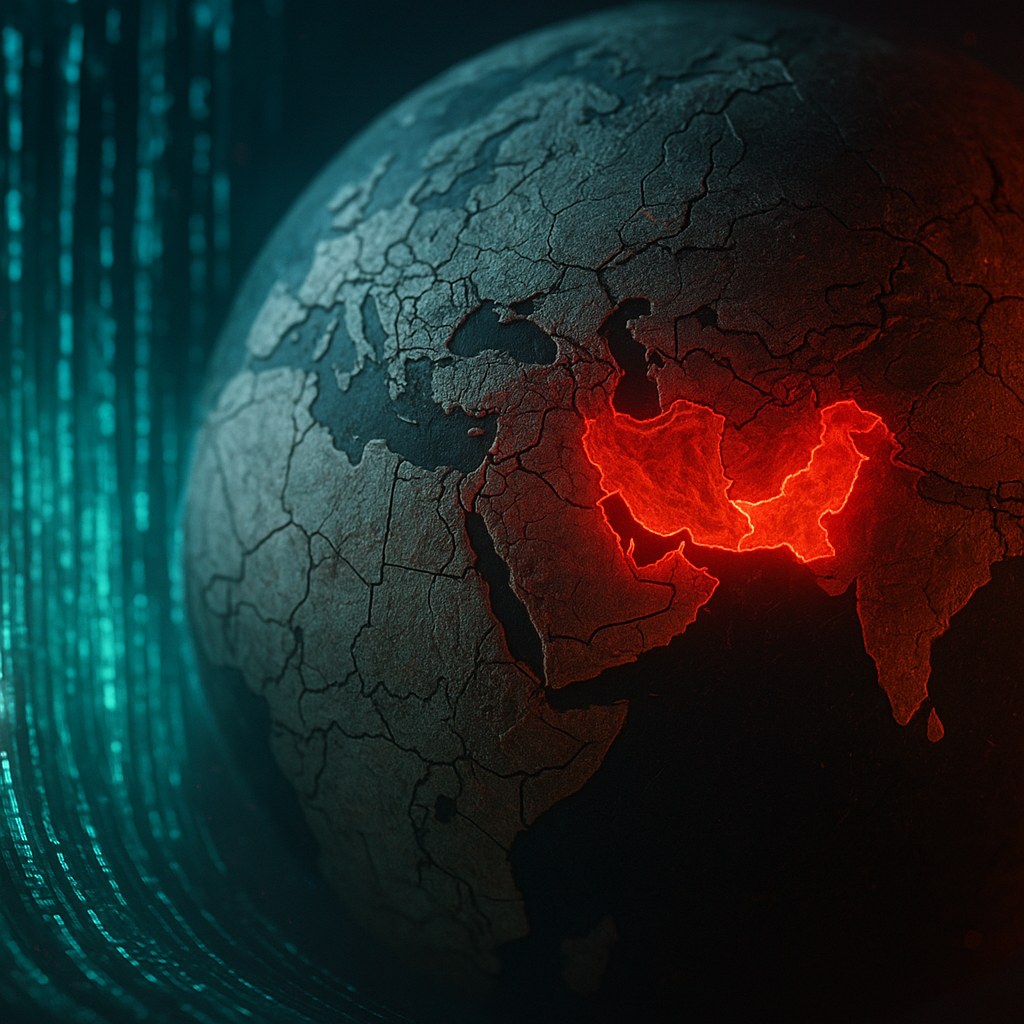
As iran-us tensions escalate markets on edge, traders and portfolio managers are recalibrating exposures across commodities, currencies and credit. The current flare-up, centred on the Gulf and a web of proxy actions, is not just a regional security story — it reshapes cross-asset risk premia, liquidity and the cost of shipping for global trade. Immediate market moves can be sharp; the medium-term implications depend on whether the situation remains episodic or evolves into sustained disruption.
The thesis here is straightforward: the financial effects of heightened Iran–US friction are multi‑dimensional and extend well beyond oil and gold. This article maps the historical context, lays out a detailed read on U.S. operational options under the so‑called “Project Freedom” and likely Iranian countermeasures, offers a quantitative view of market volatility, and examines under‑covered consequences for ETFs, MENA currencies, and the role of private contractors and drone warfare.
Understanding Iran-US Tensions: A Historical Perspective
U.S.–Iran relations have been volatile for decades, punctuated by episodic escalations that reverberate through markets. Past confrontations have produced predictable immediate effects — risk‑off flows, safe‑haven demand and spikes in energy risk premia — but they have also left a legacy of strategic behaviours that shape how each side reacts. Iran typically relies on asymmetric tools: proxy groups, maritime harassment, and selective strikes that raise uncertainty without inviting full conventional retaliation. The United States has repeatedly combined forward naval posture, targeted strikes and sanctions to raise costs and deter escalation.
Understanding the pattern matters because markets price not only the immediate shock but also the probability distribution of follow‑on scenarios. Traders now balance the chance of temporary supply shocks against longer‑running shifts in trade routes, insurance costs and regional growth expectations. The present episode is best read through both precedent and the tactical innovations that have appeared since earlier crises.
The U.S. “Project Freedom” Operational Strategy and Iranian Countermeasures
Project Freedom—as discussed in policy circles—is an operational concept that aims to protect maritime commerce, degrade Iranian offensive capabilities, and ensure freedom of navigation without provoking full‑scale war. It typically includes layered measures: enhanced naval escorts for commercial shipping, electronic warfare and counter‑drone deployments, targeted cyber operations against command‑and‑control nodes, and intensified intelligence sharing with regional partners.
Iran’s likely countermeasures are shaped by constraints and asymmetric advantage. Expect stepped-up use of naval mines, fast inshore attack craft, anti‑ship missiles launched from land or small platforms, and proxy actions in peripheral theatres. Cyber and information operations will be used to complicate attribution. An important feature is deniability: Iran can inflict economic pain while keeping escalation below thresholds that would compel a conventional US response.
From a markets perspective, Project Freedom seeks to limit disruption to trade, but it also raises the risk of incidents that spook markets — for example, a misattributed strike or damage to neutral shipping. Traders should therefore watch operational signals (naval escort convoys, NOTAMs, insurance notices) which can act as early indicators of widening risk.
Geopolitical Risks and Market Volatility: A Quantitative Analysis
Quantitative assessment of geopolitical shocks relies on scenario analysis and event‑study methods rather than stable model coefficients. In practice analysts construct short‑term stress scenarios — for example, temporary chokepoint disruption versus sustained interdiction — and simulate impacts across asset classes. Typical outputs identify increases in cross‑asset correlations, widening of credit spreads, and higher realised volatility across commodities and equities.
Key modelling considerations include:
- Baseline calibration using prior Gulf shocks and proxy incidents to estimate volatility multipliers.
- Sectoral sensitivity matrices that show which industries act as transmitters versus receivers of risk.
- Liquidity stress testing for fixed income and FX, where thin trading can amplify price moves.
Limitations are clear: geopolitical events are path‑dependent and subject to rapid regime shifts. Models should therefore be used as guideposts for risk limits and hedging decisions, not as precise predictors of returns.
Beyond Oil and Gold: Iran-US Tensions’ Impact on Sector ETFs
Coverage of geopolitical risk tends to focus on oil and gold, but sector ETFs provide a more granular picture of how capital rotates during crises. A cross‑sector approach shows differentiated responses:
- Defence and aerospace ETFs often reprice on expectations of higher defence spending and procurement delays.
- Shipping and logistics ETFs can be sensitive to route disruptions and higher insurance premiums.
- Commercial airlines and travel‑related sectors face immediate demand shocks and rerouting costs.
- Insurance and reinsurance‑linked funds may reprice to reflect higher underwriting risk for marine and political risk covers.
To translate scenarios into portfolio impacts, analysts often run factor decompositions that attribute ETF returns to commodity shocks, interest‑rate moves and risk‑off capital flows. For readers seeking a primer on ETFs and their construction, see our resource on ETFs. Using ETFs for hedging requires attention to liquidity and tracking error — not all funds behave like their underlying exposures during stress.
Strait of Hormuz Blockade: Then and Now
Historical comparisons matter. During the 1980s “Tanker War” Iran and Iraq targeted tankers in the Gulf, prompting convoy measures and insurance market upheaval. Today’s setting is different in several respects. Satellite surveillance, real‑time AIS tracking and a larger allied naval presence increase situational awareness. Yet modern threats — naval mines, loitering munitions, and cyber interference — raise new vulnerabilities.
Where the 1980s conflict produced sustained commercial insurance dislocations, a modern blockade would likely trigger faster market reactions but also quicker policy responses. The net effect on trade flows would depend on how long escorts and rerouting add to transit times and costs. Markets will price these operational frictions into shipping indices, freight derivatives and, indirectly, producer margins in energy‑intensive industries.
Emerging Market Currencies in the MENA Region: Beyond Global GDP
Regional currencies are sensitive to geopolitical stress through multiple channels: commodity linkages, portfolio flows, and trade disruptions. Even when global GDP forecasts do not change materially, crisis episodes can trigger outsized moves in MENA FX as investors re‑weight sovereign and corporate risk. Central banks may intervene, use reserves, or tighten policy to defend exchange rates — each action has downstream effects on inflation and growth.
Practical considerations for currency risk management in the region include monitoring sovereign external financing schedules, cross‑border banking exposures, and commodity revenues. Hedging tools exist but come with cost; structured hedges and layered expiries can help manage funding and operational FX risk over plausible escalation horizons.
The Role of Private Military Contractors and Drone Warfare in U.S.-Iran Conflict
Private military contractors (PMCs) and proliferation of drone systems complicate escalation dynamics. PMCs can provide rapid force multipliers, logistical support and A2/AD penetration capabilities with a level of political deniability that states exploit. Drones and loitering munitions lower the threshold for precision strikes, increase the frequency of incidents, and create attribution challenges that can spook markets.
From a market perspective, the participation of PMCs and autonomous systems raises two risks: greater incidence of incidents that unsettle risk sentiment, and a longer tail of uncertain liability and insurance claims. The insurance market’s reaction to a marked increase in tactical drone attacks would be an important channel for pricing risk into equities and fixed income of exposed firms.
Market Reaction to Escalating Iran-US Tensions: Safe-Haven Assets and More
When tensions escalate, the immediate market reaction typically follows a familiar pattern: demand for safe havens, widening credit spreads, and commodity repricing. Beyond gold, investors often pivot to established liquid instruments that serve as liquidity reservoirs during stress. Equity sectors perceived as defensive or with low direct exposure to regional trade can outperform cyclical names.
Liquidity is a central consideration. In a flight‑to‑quality episode, some markets that looked deep in benign conditions can become illiquid, amplifying moves. Traders should watch bid‑offer spreads, trade sizes that push prices, and derivatives implied volatility as early warnings of stress. For guidance on managing such episodes, our market volatility course outlines practical techniques for position sizing and dynamic hedging.
Economic Growth, Inflation, and Iran-US Tensions
Geopolitical shocks influence growth and inflation through supply‑side channels and confidence effects. Energy cost increases transmit into headline inflation in many economies, and persistent uncertainty can slow investment and trade volumes. Central banks face trade‑offs: whether to tolerate higher inflation to support growth or to tighten policy to anchor inflation expectations, a decision that itself can shape real rates and asset valuations.
Importantly, the macro impact is heterogeneous. Energy exporters may see offsetting fiscal gains even as private sector investment risks rise, while importers face immediate cost pressures. Scenario planning that models both near‑term inflation impulses and second‑round growth effects is vital for portfolio stress testing.
Managing Geopolitical Risks: A Strategic Approach for Investors
Managing geopolitical risk is a process, not a single trade. Practical steps include:
- Scenario-based stress testing of portfolios and counterparty limits.
- Diversification across uncorrelated assets and geographies, recognising that correlations can converge in crises.
- Using liquid hedges and staged option structures rather than blunt directional bets.
- Maintaining cash buffers and contingency plans for margin calls and collateral demands.
For active traders, execution tactics matter: staggered exits, limit orders to control slippage, and pre‑defined re‑entry criteria. If using leveraged instruments such as CFDs or margin products, remember these amplify both gains and losses — risk management and position sizing are essential. For investors interested in social forms of delegation, tools such as copy‑trading provide exposure to experienced managers but also carry the same market and leverage risks; see our copy‑trading resource for mechanics and caveats.
Frequently Asked Questions
How do Iran-US tensions specifically impact oil prices and energy infrastructure?
Disruptions to shipping through the Gulf and increased perceived risk raise oil price volatility by altering supply expectations and insurance costs. Energy infrastructure — terminals, pipelines and offshore platforms — faces higher attack risk, which can disrupt flows and lead to re‑routing. Markets price these channels quickly; the persistence of price effects depends on duration and scope of operational disruptions.
What are some safe-haven assets other than gold that investors can consider during periods of geopolitical uncertainty?
Other common safe havens include highly liquid government bonds of systemically important economies, certain major currencies and high‑quality corporate debt in liquid markets. Cash and short‑dated sovereign instruments are often used for liquidity preservation. Each instrument brings trade‑offs between liquidity, yield and currency exposure.
How can investors use ETFs to hedge against market volatility caused by geopolitical risks like Iran-US tensions?
ETFs offer diversified exposure and can be used to hedge sector or market risks quickly. Hedging strategies involve selecting ETFs with negative or low correlation to core holdings, or using volatility‑linked ETFs. Attention to ETF liquidity, tracking error and the potential for amplified moves under stress is essential. See our primer on ETFs for structural considerations.
What are some strategies to manage geopolitical risks in emerging market currencies in the MENA region?
Strategies include layered hedging with forwards and options, concentrating hedges around known funding dates, and diversifying currency exposures. Monitoring sovereign financing needs and commodity revenue sensitivity helps prioritise hedging. Cost‑benefit analysis is important because hedging has a price and may erode returns if the crisis does not materialise.
How can private military contractors and drone warfare influence the market reaction to U.S.-Iran conflict escalation?
PMCs and drones increase incident frequency and attribution uncertainty, raising the probability of market shocks. This can heighten insurance claims and underwriting costs, pressure defence and aviation stocks, and prompt rapid reassessment of risk premia. Markets may react more sharply to ambiguous incidents that earlier would have been contained.
Conclusion
The current phase of Iran–US tension places markets on edge because it combines familiar supply‑risk channels with new tactical tools — drones, cyber operations and proxy actors — that complicate deterrence and attribution. Investors and risk managers should move beyond headline reads on oil and gold, and adopt scenario frameworks that cover sectoral ETF exposures, liquidity stress, and regional currency vulnerabilities.
STB Brokers offers a range of CFD and Forex trading options to help clients capitalise on market movements driven by geopolitical events, and STB Investment’s PAMM framework provides an allocation model for those seeking managed exposure. Remember: leveraged products and margin trading amplify both gains and losses, and all strategies require disciplined risk controls. For practical techniques on positioning during volatile periods, consult our market volatility resources.
Ready to start trading?
Put what you've learned into practice.